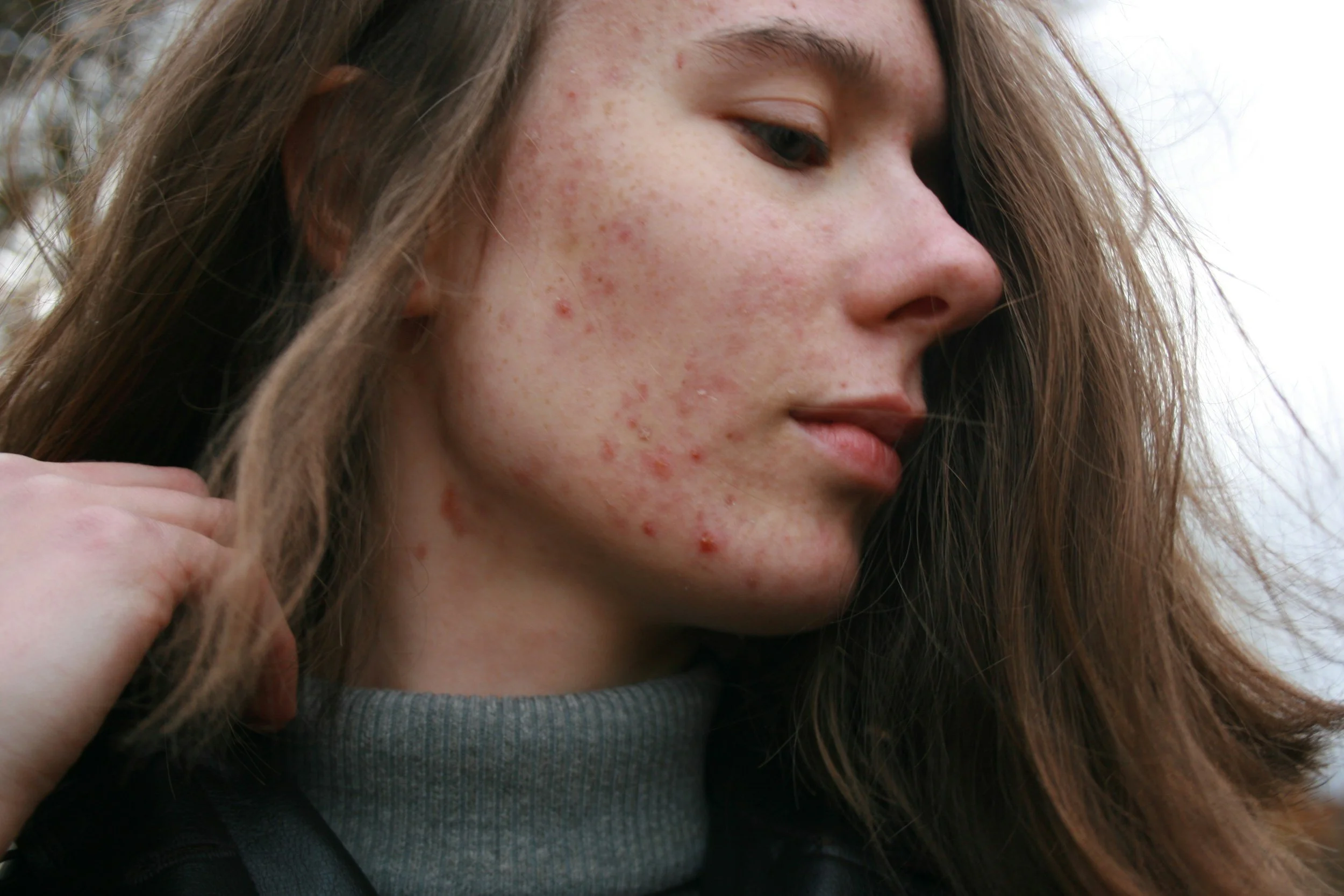
Acne
Did you know? Over 90% of people will experience acne at some point in their lives, making it one of the world's most common skin conditions.
Acne
Acne is a common inflammatory skin condition that develops when hair follicles become blocked with excess sebum (oil), dead skin cells, and other debris. This blockage creates an environment where naturally occurring skin bacteria can multiply, triggering inflammation and resulting in pimples, blackheads, whiteheads, and deeper inflammatory lesions. Although acne most commonly affects the face, it can also occur on the chest, back, and shoulders where oil glands are more abundant.
The condition originates within the pilosebaceous unit, which consists of the hair follicle and its associated sebaceous gland. Under normal circumstances, sebaceous glands produce sebum that travels through the follicle to the skin's surface, helping to maintain hydration and support the skin barrier. Skin cells lining the follicle are continuously shed as part of the skin's natural renewal process. In acne-prone skin, however, these cells do not shed efficiently and instead combine with excess sebum, obstructing the follicle. This blockage encourages the growth of Cutibacterium acnes (formerly Propionibacterium acnes), leading to inflammation characterised by redness, swelling, tenderness, and the formation of acne lesions.
While mild breakouts often resolve without lasting effects, persistent or moderate to severe acne can result in complications such as post-inflammatory hyperpigmentation, scarring, and changes in skin texture. Early and appropriate treatment can help minimise inflammation, reduce the likelihood of long-term skin damage, and support healthier, clearer skin over time.
Who I Affected by Acne?
Acne can affect people of all ages, ethnicities, and skin types, although it is most frequently seen during adolescence. Hormonal changes associated with puberty stimulate increased oil production, making teenagers particularly susceptible to developing acne. During these years, acne tends to be more common and often more severe in males. However, acne can persist into adulthood or develop later in life, with adult acne occurring more frequently in women.
What Causes Acne?
Acne develops as a result of several interacting factors that affect the pilosebaceous unit (the hair follicle and sebaceous gland). It occurs when excess sebum, dead skin cells, and naturally occurring bacteria accumulate within the follicle, leading to blockage and inflammation. While these are the direct mechanisms involved, hormones and genetic factors play a significant role in determining an individual's susceptibility.
Factors That Contribute to Acne
Hormones
Hormonal fluctuations are one of the primary triggers for acne. During puberty, increased androgen levels stimulate the sebaceous glands to produce more sebum, creating an environment where pores are more likely to become blocked. Hormonal changes throughout the menstrual cycle, pregnancy, or conditions affecting hormone balance can also contribute to breakouts in adulthood.
Genetics
A family history of acne significantly increases the likelihood of developing the condition. Rather than a single "acne gene," genetics influence factors such as sebum production, inflammation, and the immune system's response to Cutibacterium acnes. Certain inherited hormonal conditions, including polycystic ovary syndrome (PCOS), may also increase the risk of acne.
Medications
Some medications can contribute to acne development or worsen existing breakouts. These may include corticosteroids, lithium, and medications that affect hormone levels.
Age
Although acne is most common during adolescence, it can occur at any stage of life, including adulthood.
Factors That May Worsen Acne
While the following factors are not considered direct causes of acne, they may aggravate existing breakouts or trigger flare-ups in susceptible individuals:
Diet may influence acne severity in some people, although research is ongoing and the relationship remains complex.
Psychological stress can contribute to worsening acne by influencing inflammatory and hormonal pathways.
Friction or pressure from helmets, backpacks, tight clothing, or sporting equipment may irritate the skin and contribute to breakouts.
Environmental factors such as humidity, pollution, and excessive sweating can exacerbate acne in some individuals.
Picking, squeezing, or excessively scrubbing blemishes can increase inflammation, delay healing, and raise the risk of scarring.
Acne in Adults
Although acne is often associated with adolescence, it is also common in adulthood. Australian research suggests that approximately 18% of women and 8% of men aged 25 years and older experience acne. International studies indicate that acne affects around two-thirds of people in their twenties and remains common into the thirties. Adult acne may present as persistent lesions in the same areas or as intermittent flare-ups that occur in response to hormonal or environmental triggers.